Ultimate Guide to Choosing the Best Training Shoes for Your Workout
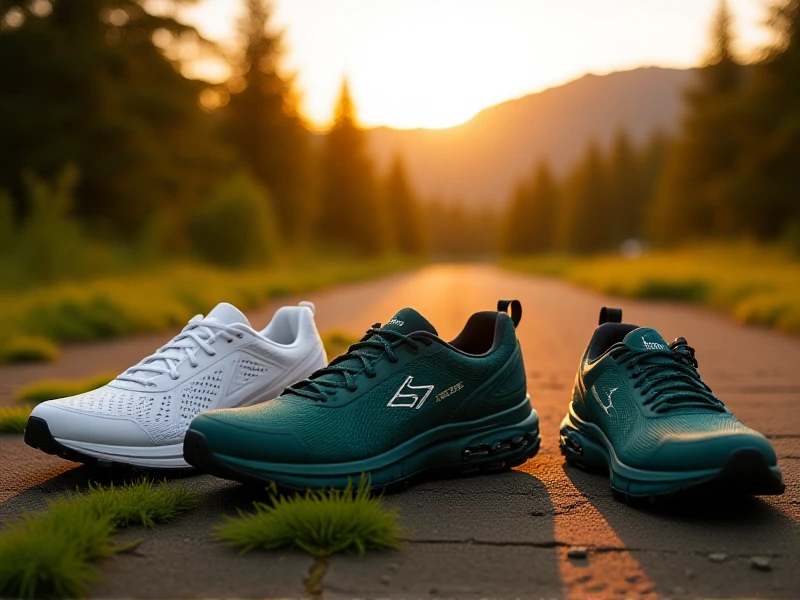
Here is an SEO blog post focused on the keyword "Training Shoes" (approx. 400 words):
Finding the perfect training shoes isn't just about looks; it's essential for maximizing performance and preventing injury during your diverse workouts. Unlike specialized running shoes or basketball sneakers, training shoes are designed for versatility, offering the stability and support needed for multi-directional movements both in the gym and at home.
Why Dedicated Training Shoes Matter:
Training sessions often involve a mix of activities: lifting weights, agility drills, HIIT circuits, box jumps, and functional movements. Running shoes excel at forward motion but lack the lateral support needed for quick side-to-side actions. They can also be unstable for heavy lifting. Conversely, shoes designed purely for weightlifting are too rigid for cardio elements. Training shoes bridge this gap, providing:
- Optimal Stability: A wider base and a supportive midsole are hallmarks of training shoes, crucial for maintaining balance during lifts, lunges, and lateral movements. This reduces wobble and potential ankle rolling.
- Responsive Cushioning: While stable, they still offer cushioning that cushions landings during jumps or plyometrics, yet remains firm enough not to feel squishy or unstable under heavy weights.
- Flexible Forefoot: The front of the shoe allows for natural toe flex during movements like sled pushes, sprints, or change-of-direction drills, unlike stiff lifting shoes.
- Enhanced Durability: The uppers of performance training shoes are typically made from tougher materials to withstand the abrasion from ropes, boxes, and rigs.
Key Features to Look For:
- Intended Use: Be honest about your primary workouts. Shoes for CrossFit-style training often prioritize durability and ground contact (wider tread), while gym-focused training shoes might offer slightly more cushioning.
- Support & Stability: Look for features like a secure heel counter and a midsole designed for multi-directional support. Consider if you have neutral pronation or need extra arch support.
- Breathability & Material: Mesh uppers offer better ventilation for sweaty sessions. Synthetic leathers add durability.
- Weight & Drop: Consider the feel you prefer – lighter weight for agility, somewhat heavier for stability; a standard drop (6-10mm) suits most in training shoes.
- Fit & Comfort: This is paramount. Ensure a snug heel lockdown, sufficient toe room without sliding (wiggle room!), and no pressure points. Try them on later in the day when your feet are more swollen.
Don't Settle for Less:
Attempting diverse workouts in the wrong footwear compromises both your performance and safety. Investing in high-quality training shoes specifically engineered for versatility provides the foundation you need to push harder, train smarter, and reach your fitness goals faster. Try on several models, move around like you train, and choose the pair that offers the best blend of stability, comfort, and durability for your specific workout regimen. Your feet, lifts, and agility will thank you!