The Ultimate Guide to Finding Your Perfect Running Shoes
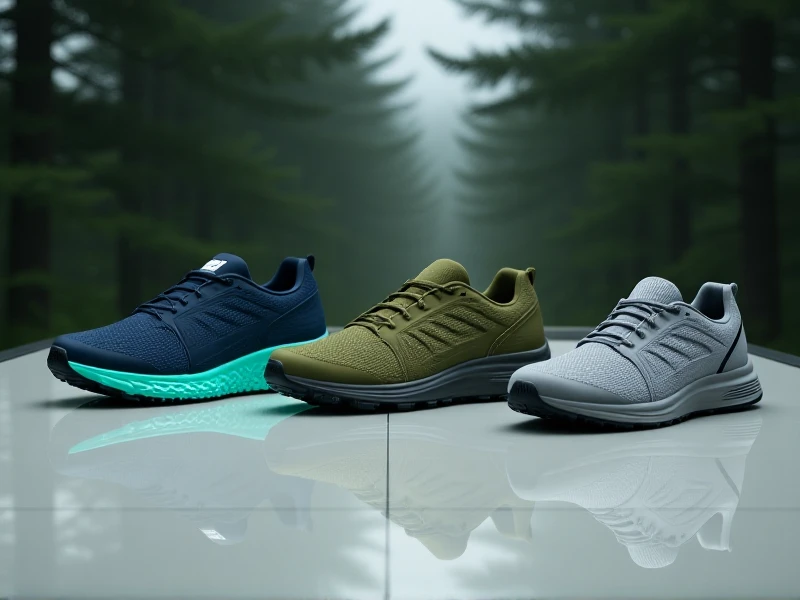
Stepping into the world of running is exhilarating, but your success and comfort hinge significantly on one crucial factor: the right pair of running shoes. Choosing footwear isn't just about style; it's about preventing injury and maximizing your performance. Understanding what makes great running footwear is essential whether you're a beginner hitting the pavement or a seasoned marathoner.
The journey begins with understanding your gait and foot type. Do you have neutral pronation, overpronate (your feet roll inward excessively), or underpronate/supinate (your feet roll outward)? Many specialized running stores offer gait analysis to pinpoint this crucial factor. Running shoes are meticulously designed to address these differences. Stability and motion control shoes cater to overpronators, neutral cushioned shoes suit neutral runners, and flexibility-oriented shoes with ample cushioning benefit supinators.
Next, consider the cushioning technology. Brands pour extensive research into midsoles using innovative foams (like EVA, TPU, or proprietary blends) designed to absorb impact, provide responsive energy return, and reduce fatigue throughout your stride. Don’t assume maximum cushioning is best for everyone; preferences vary significantly based on distance, body weight, and personal comfort. Test different levels – plush, moderate, and minimal – to discover your sweet spot.
Terrain matters. Road running shoes prioritize cushioning and durability against pavement, featuring smoother tread patterns. Trail runners demand aggressive traction, rock plates for protection, and often enhanced stability to handle uneven paths. Hybrid options exist, but choosing terrain-specific shoes optimizes safety and traction. Also, think about your running distance and goals. Higher mileage demands more durable construction and robust cushioning, while speed or interval work might lead you towards lighter, more responsive racing flats or "speed" trainers.
Fit is non-negotiable. Your feet swell during runs, so allow roughly a thumb's width of space between your longest toe and the shoe's end. The heel should hold snugly without slipping, and the midfoot should feel secure without pinching. Width is equally vital – cramped toes restrict movement and cause blisters. Try on shoes later in the day when feet are naturally larger, wear your intended running socks, and take a short jog around the store if possible.
Key features to look for include a breathable upper mesh to keep your feet cool and dry, a padded collar and tongue for ankle comfort, and a flexible forefoot to allow natural toe movement. Reputable brands investing heavily in running shoes technology often lead the pack, but individual fit always trumps the latest hype. The "best" shoe is the one that disappears comfortably on your foot after miles.
Replacement timing is critical. Most running shoes lose significant cushioning and support between 300-500 miles. Wearing worn-out shoes dramatically increases injury risk. Track your mileage and be proactive – don’t wait for aches before replacing them.
Investing time in finding your perfect pair transforms your running experience. It’s the foundation for consistency, injury prevention, and achieving your goals. Your ideal running shoes are out there – step into comfort and performance today. Your feet (and your runs) will thank you.