How to Choose the Best Running Shoes for Your Running Journey
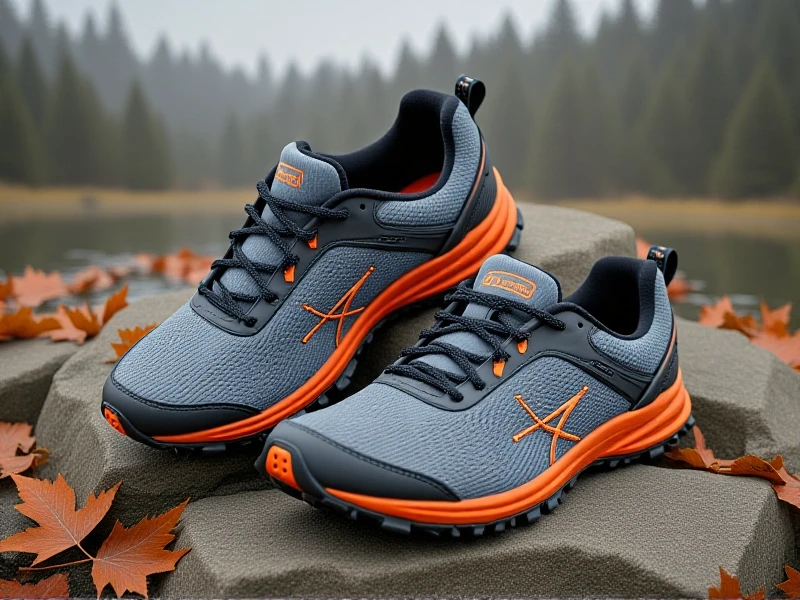
Running shoes are the unsung heroes of any fitness routine – they cushion your steps, support your arches, and can be the difference between a great workout and frustrating injuries. If you're serious about getting the most out of your runs, selecting the right pair is essential. Today, we'll guide you through everything you need to know to pick the perfect running shoes, based on your unique needs and preferences. Whether you're a new runner logging miles on the local trail or a seasoned athlete targeting a personal best, the right footwear ensures comfort, reduces strain, and boosts your endurance. Let's dive into how to make an informed choice that feels tailor-made for your feet.
First, it's important to understand that not all running shoes are created equal. Broadly, they come in categories like stability shoes for those who overpronate (where your foot rolls inward too much), neutral shoes for balanced gaits, and cushioned options ideal for long-distance athletes or heavier runners. Consider your running surface – roads, tracks, trails – as this influences the shoe's design. For trail runners, look for durability and grip like in specialized trail running shoes, while road runners prioritize lightweight materials and flexibility. Factors such as your foot shape (high, medium, or low arch) also matter immensely; for instance, a low arch often requires extra support to prevent common issues like plantar fasciitis.
When shopping for running shoes, keep three key elements in mind: fit, cushioning, and purpose. Always get your feet measured at a store or use online tools to match your size precisely – since feet swell during runs, aim for a snug heel and roomy toe box. For cushioning, think about the distance and intensity; high-mileage runners benefit from maximum shock absorption, whereas speed-focused athletes prefer minimal shoes for a more responsive feel. If you're starting out or recovering from an injury, opt for supportive styles to avoid strains. And remember, the running shoes you wear affect everything from knee alignment to overall performance. A great tip is to rotate between two pairs to extend their lifespan and adapt to different training sessions.
In conclusion, investing in quality running shoes transforms your training experience by enhancing comfort and preventing injuries. Assess your needs, try a few models, and don't overlook the importance of regular replacements after 300-500 miles. With the right knowledge, those runs will feel effortless and inspiring. Ready to step into a better stride? Explore our curated selection and find your ideal match today! ( 422)